
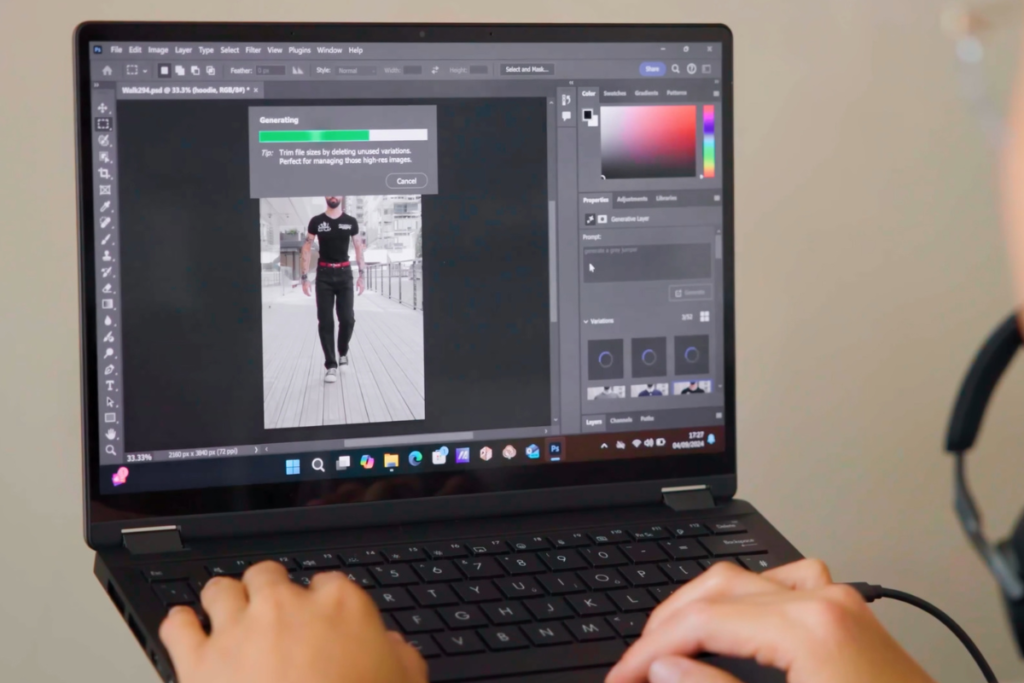
Spend five minutes browsing B2B tech websites and you start to notice a pattern. Blue gradients. Abstract shapes. Stock photos of people smiling at laptops or shaking hands in glass offices. Pages full of features, platforms and promises, but very little sense of who the product is actually for.
The problem is not a lack of information. It is a lack of personality.
At Heaven Media, we work with SaaS and tech brands that build genuinely impressive products, yet can struggle to communicate them in a way that feels human. Somewhere along the way, B2B tech marketing convinced itself that professionalism meant removing emotion. In reality, the opposite is true. Even in SaaS, people still buy from people.
Why B2B Tech Marketing Feels So Cold
Most SaaS marketing is built to feel safe. Brands copy what their competitors are doing because it looks credible. Over time, this leads to a sea of identical sites that say very similar things in very similar ways.
The focus is usually on the platform itself. Dashboards. Integrations. Enterprise-ready features. While these details matter, they rarely answer the most important question a buyer has, which is whether this product actually fits their world.
This is where many tech brands lose momentum. They talk about what the product does, but not who it is built for or how it fits into real working life. The result is marketing that feels distant, corporate and interchangeable.
For a tech digital marketing agency, this is a missed opportunity. SaaS products are often deeply tied to people’s daily routines, pressure points and responsibilities. When those human realities are ignored, marketing becomes abstract instead of persuasive.
People Buy from People, Even in SaaS
B2B decisions might involve procurement processes and long sales cycles, but they are still made by individuals. Individuals with deadlines, internal pressure and a desire to make the right call.
Trust plays a huge role here. Buyers want to know that the company behind the software understands their challenges. They want reassurance that there are real people standing behind the product, not just a faceless brand.
This is where personality starts to matter. Showing the people building the product, supporting customers or using the software day to day helps bridge the gap between code and confidence. It turns a SaaS platform from a tool into a partner.
At Heaven Media, we have seen this first-hand. When brands move away from generic messaging and start communicating with clarity and warmth, engagement changes. Prospects spend longer on site. Content feels easier to understand. Conversations start earlier.
“58% of tech buyers say real customer stories influence their purchase”- GWI, 2026
Practical Use Cases Over Polished Promises
One of the simplest ways to humanise SaaS marketing is to focus on practical use cases instead of broad claims. Rather than saying a platform “streamlines workflows”, show how someone actually uses it on a Monday morning.
Use cases ground technology in reality. They help buyers picture themselves using the product, solving a specific problem or saving time in a tangible way. This shift makes complex software feel more approachable and less intimidating.
Video content plays a huge role here. Seeing a real person explain how they use a tool, even imperfectly, is far more convincing than reading a paragraph of polished copy. It does not need to be flashy. It needs to be honest.
“39% of B2B tech buyers say practical demonstrations improve their confidence in a product”- GWI, 2026
We have applied this approach across several campaigns, helping tech brands move from abstract value propositions to content that reflects real working scenarios.
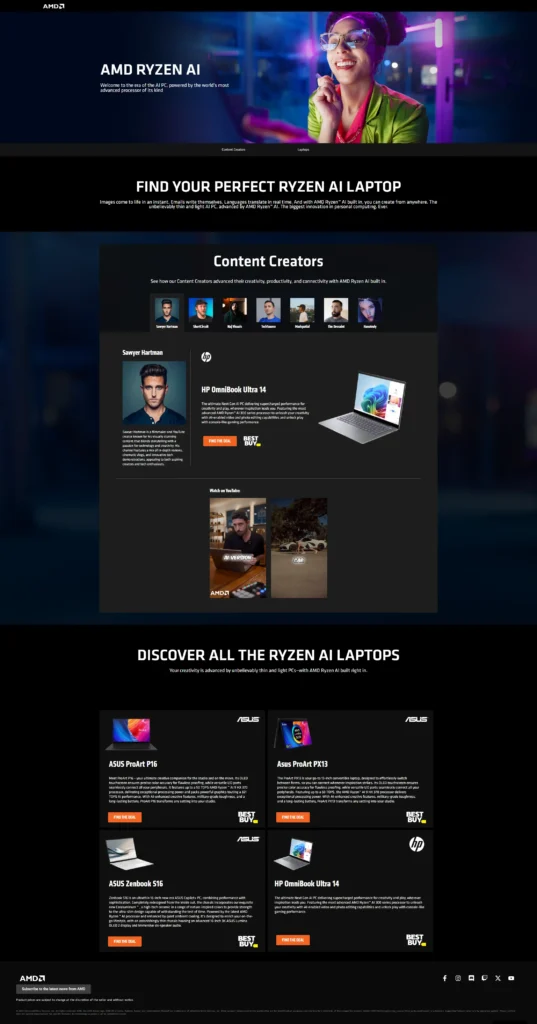
This is where a tech content marketing agency can add real value. Not by dressing technology up, but by translating it into everyday language and lived experience.
Putting a Human Face on the Code
Technology does not exist in isolation. It is built, maintained and improved by people. Yet many SaaS brands hide their teams behind branding and stock imagery.
Introducing real faces changes perception quickly. Founders explaining why they built the product. Engineers talking about the problems they are trying to solve. Customer success teams sharing what they hear from users. These moments create familiarity and trust.
This does not mean turning every brand into a personality-led startup. It means being intentional about visibility. Letting people see the humans behind the interface.
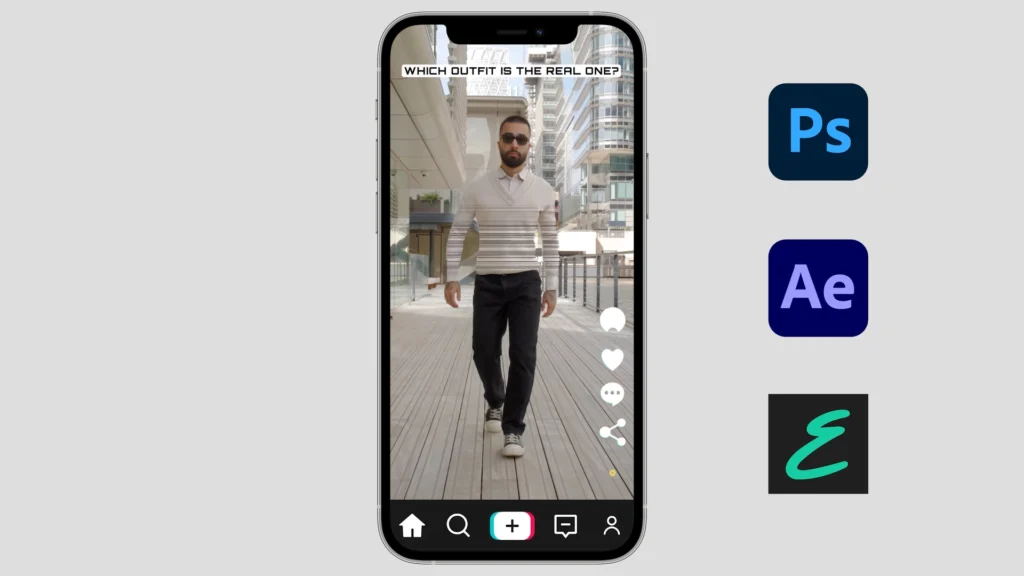
The goal is not to overshare. It is to reassure buyers that there are real people invested in the success of the product and the people using it.
Why Personality Drives Conversion
When SaaS marketing feels human, it lowers resistance. Buyers are more willing to explore, ask questions and engage with sales teams. Emotional connection does not replace rational evaluation, but it often tips the balance when products are otherwise similar.
In crowded markets, differentiation rarely comes from features alone. It comes from how a brand communicates and how it makes people feel during the decision-making process.
For a tech digital marketing agency or tech content marketing agency, this is where strategy matters most. Injecting personality is not about tone of voice alone. It is about choosing what to show, who to feature and how honestly the product is presented.
SaaS brands that embrace this approach stand out not because they shout louder, but because they feel more real. In a space full of sameness, that authenticity is often what drives the final signature.
To learn more about how Heaven Media can help you create engaging marketing campaigns for tech audiences, get in touch with us: https://heavenmedia.com/contact/