
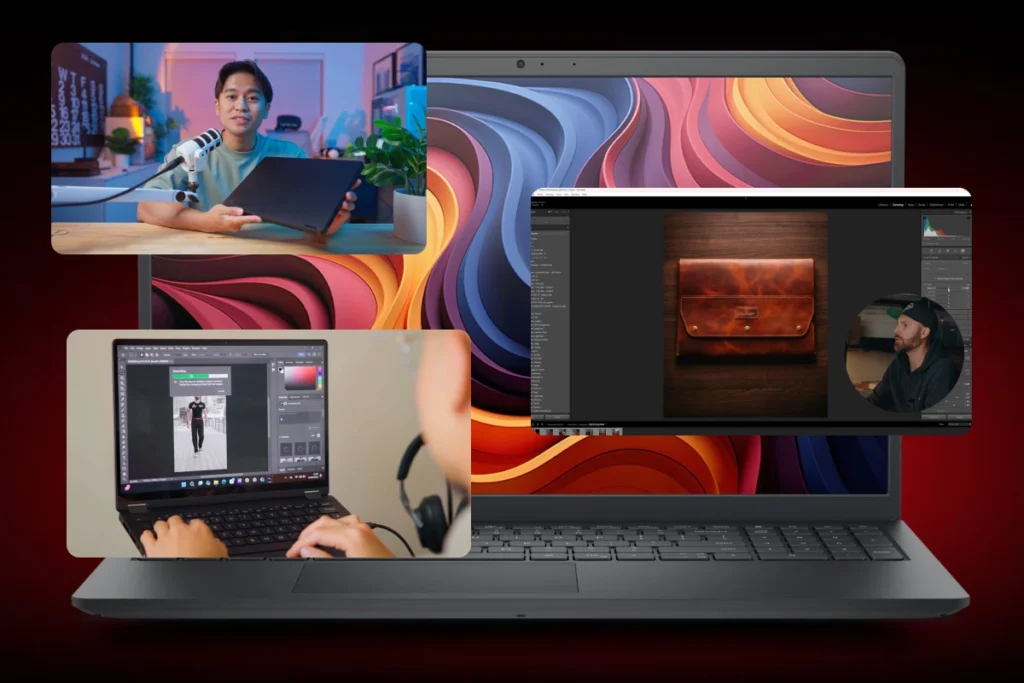
Das Marketing für technische Produkte ist lange Zeit einem vorhersehbaren Weg gefolgt. Kampagnen wurden für Büroangestellte, IT-Teams und Entscheidungsträger in Unternehmen entwickelt, wobei der Schwerpunkt auf Stabilität, Sicherheit und langfristigen Verträgen lag. Dieser Ansatz hat immer noch seine Berechtigung, aber er entspricht nicht mehr den tatsächlichen Käufern von Hochleistungshardware von heute.
Bei Heaven Media sehen wir eine andere Gruppe, die die Nachfrage antreibt. In den letzten Jahren gab es eine tiefgreifende Verschiebung hin zu Video-Editoren, 3D-Künstlern, Designern und Hybrid-Entwicklern. Das sind Menschen, die auf leistungsstarke Prozessoren und GPUs angewiesen sind, um ihren Lebensunterhalt zu verdienen. Sie sind intensivere Nutzer als der typische Verbraucher, aber nicht auf Unternehmensebene. Sie kaufen Hardware auch nicht zum Spaß oder aus Statusgründen, sondern sie kaufen Tools, die sich direkt darauf auswirken, wie schnell sie arbeiten und wie viel sie produzieren können.
Dieser Wandel verändert das Tech-Marketing und zwingt Marken dazu, zu überdenken, wen sie mit ihren Kampagnen wirklich erreichen wollen.
Kreative Fachkräfte als Priorität für Tech-Marketing-Kampagnen
Kreativprofis gehören nicht zu den traditionellen B2B-Kategorien. Sie sind keine Unternehmenskäufer, aber sie sind auch keine Gelegenheitskonsumenten. Viele von ihnen sind Freiberufler oder arbeiten in kleinen Teams, aber sie kaufen die gleichen High-End-Komponenten wie große Studios. Ihre Entscheidungen sind schnell, praktisch und leistungsorientiert.
Was diese Zielgruppe so wichtig macht, ist die Tatsache, dass sie Produkte anders bewertet; Markentreue hat weniger Gewicht als messbare Geschwindigkeits- und Effizienzgewinne. Wenn neue Hardware schneller rendert, schwerere Dateien verarbeitet oder Zeitpläne unter Druck besser einhält, sind sie bereit zu wechseln. Hier geht es nicht um einen Hype. Es geht darum, die Arbeit effizient zu erledigen.
“49% der Tech-Konsumenten sagen, dass sie am meisten motiviert sind, für eine Marke einzutreten, wenn deren Produkte von hoher Qualität sind.”
GWI 2025
Wenn Sie wollen, dass technisches Marketing bei dieser Zielgruppe Anklang findet, muss die Botschaft über allgemeine Produktivitätsaussagen hinausgehen. Sie muss sich direkt auf den kreativen Output und die Auswirkungen auf den Workflow beziehen. Unsere Teams bei Heaven Media nähern sich diesem Ziel, indem sie Hardware als Business-Tool betrachten, und zwar in allen Bereichen, vom Messaging bis zu den Inhaltsformaten.
Die Denkweise der Prosumenten verstehen
Kreativprofis denken in Kategorien von Zeit und Ertrag. Jede Minute, die sie bei einem Projekt einsparen, ist Zeit, die sie in ein anderes investieren können. Jeder vermiedene Absturz oder Puffer bedeutet weniger Stress in einem ohnehin schon anspruchsvollen Arbeitsablauf. Hardware-Leistung ist kein Bonus, sondern steht in direktem Zusammenhang mit Einkommen und Ansehen.
Aus diesem Grund sind Leistung und Geschwindigkeit für diese Gruppe wichtiger als die Bekanntheit der Marke.
“Nur 12% der Tech-Konsumenten bezeichnen sich als Markenliebhaber”.”
GWI 2025
Ein weiterer wichtiger Unterschied besteht darin, wie Kreative Informationen verarbeiten. Sie sind von Natur aus visuell veranlagt und wollen Ergebnisse in Aktion sehen. Eine reibungslose Wiedergabe, schnellere Renderings oder eine reaktionsschnelle Benutzeroberfläche vermitteln den Wert viel effektiver als eine Liste von Spezifikationen es je könnte. Hier verlieren viele technische Kampagnen ihren Schwung, weil sie sich zu sehr auf die technische Sprache verlassen, ohne praktische Anwendungsfälle oder echte Ergebnisse zu zeigen.
Heaven Media konzentriert sich darauf, Leistung sichtbar zu machen. Anstatt den Entwicklern zu sagen, dass ein Produkt schneller ist, zeigen wir, wie diese Geschwindigkeit in einem echten Workflow aussieht.
Hardware-Spezifikationen als Geschichten
Spezifikationen sind immer noch wichtig, aber nur, wenn sie in etwas Greifbares übersetzt werden. Taktfrequenzen und Speicherzahlen bedeuten ohne Kontext sehr wenig. Es kommt darauf an, wie sich diese Spezifikationen auf ein reales Projekt unter realen Bedingungen auswirken.
Spezifikationen in Geschichten umzuwandeln bedeutet, den Fokus von den technischen Merkmalen auf die realen Möglichkeiten zu verlagern, wie sie das Produkt verwenden können, und auf die Ergebnisse, die sie aus erster Hand sehen können. Es bedeutet, zu zeigen, wie Cutter schnell eine 4K-Video-Timeline zusammenstellen und das fertige Projekt in rasender Geschwindigkeit exportieren können. Es könnte auch bedeuten, zu demonstrieren, wie die GPU-Beschleunigung die KI-gestützten Werkzeuge in Photoshop beschleunigt oder die Wiedergabe in After Effects flüssig hält. Es bedeutet, jedes technische Detail mit einem kreativen Ergebnis zu verbinden.
Technisches Storytelling durch fesselnde Inhalte
Dieser Ansatz bestimmt auch die Art der Inhalte, die am besten abschneiden. Kurze Videos, Seite-an-Seite-Vergleiche und praktische Demonstrationen schneiden durchweg besser ab als statische Erklärungen. Kreative wollen Beweise, keine Versprechungen, und das ist was wir mit AMD Ryzen AI gemacht haben durch die Präsentation von Echtzeit-Anwendungsfällen für Kreativprofis, was für uns als Marketing-Agentur für Technologieunternehmen eine wichtige Rolle spielt.
Für diese Kampagne arbeiteten wir mit Content-Erstellern aus 9 Kategorien (Technik, Design, Foto, Mode, Musik, Lifestyle, Heimwerken, Redaktion und Wissenschaft) zusammen, um das Bewusstsein für AMD-Tech-Hardware zu schärfen und die Aufmerksamkeit dafür zu erhöhen. Unser Team hat außerdem eine maßgeschneiderte Website erstellt, die als Drehscheibe für alle Informationen über Ryzen AI dient.
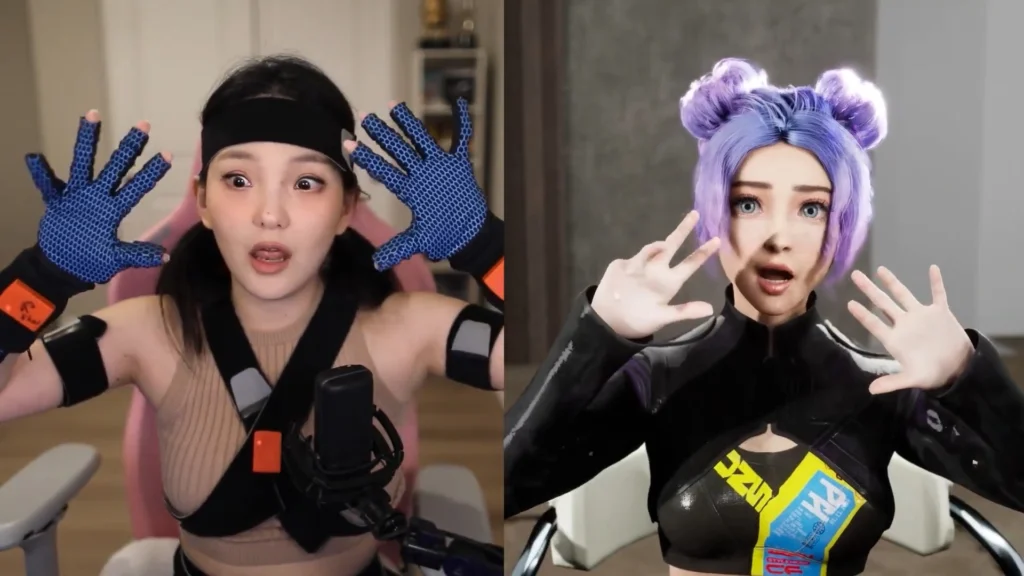
Wir haben immer wieder festgestellt, dass das Vertrauen ganz natürlich entsteht, wenn den Urhebern Raum gegeben wird, um echte Leistung in ihrem eigenen Umfeld zu zeigen. Das Produkt wird Teil ihres Prozesses und nicht eine Markenbotschaft, die sich selbst verkaufen will.
Was Technikmarken vom Marketing für Videospiele lernen können
Das Spielemarketing bietet ein nützliches Konzept. Gamer vertrauen anderen Gamern, weil ihnen die Leistung unter realen Bedingungen wichtig ist. Kreativprofis sind in dieser Hinsicht ähnlich, denn sie vertrauen Gleichgesinnten, die die gleichen Fristen und Erwartungen haben.
Hier können Strategien, die von den Urhebern ausgehen, glänzen. Wenn Kreative Hardware öffentlich und ehrlich nutzen, wird Skepsis über Bord geworfen. Der Fokus liegt auf dem, was das Produkt tatsächlich kann, und nicht darauf, wie es positioniert wird.
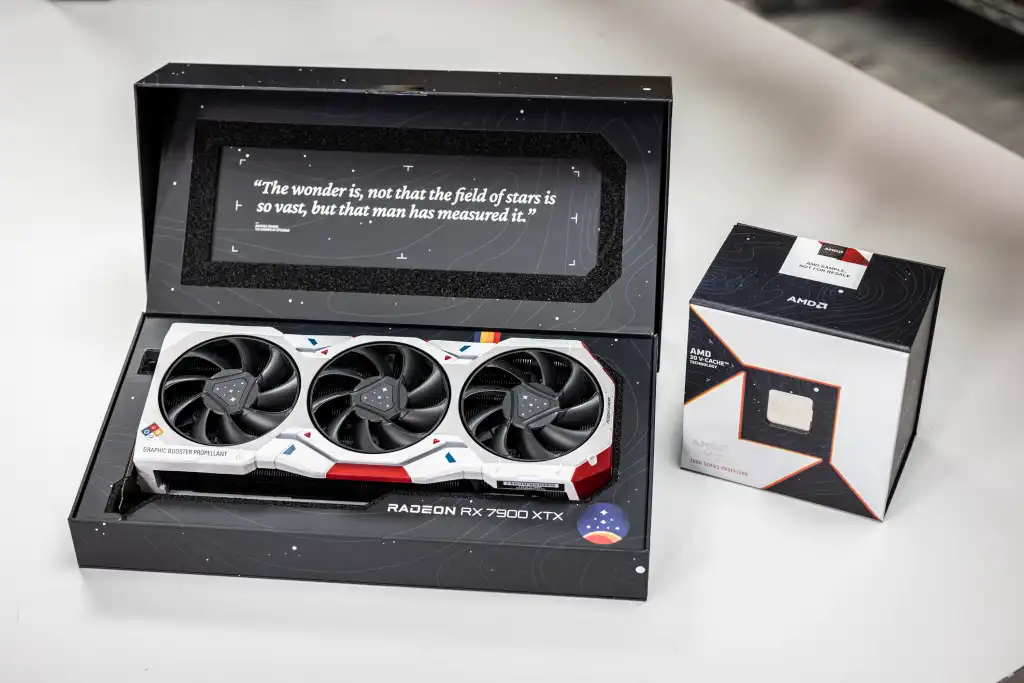
Unsere Erfahrung mit der Vermarktung von Spielen hat unsere Herangehensweise an das Tech-Marketing als Agentur beeinflusst. Wir setzen auf Community Proof, echte Nutzung und Inhalte, die zeigen, wie Produkte unter Druck funktionieren. Kampagnen wie AMD x Starfield Einführung zeigen, wie wir dies erreichen können, indem wir technisches Marketing mit IPs verbinden.
Tech-Marketing-Ansätze überdenken für Kreativprofis
Für alle Technologieunternehmen ist dies eine Gelegenheit, traditionelle Ansätze zu überdenken. Leistungsorientiertes Storytelling, Partnerschaften mit Kreativen und auf den Workflow ausgerichtete Inhalte schaffen schneller Glaubwürdigkeit als ausgefeilte Markenaussagen. Die Marken, die Erfolg haben, werden diejenigen sein, die respektieren, wie Kreative denken und wie sie kaufen.
Für Kreativprofis ist Geschwindigkeit kein Merkmal auf einem Lastenheft, sondern der Unterschied zwischen Mithalten und Zurückfallen, und technisches Marketing, das dies versteht, wird immer relevanter, ehrlicher und effektiver sein.
Wenn Sie mehr darüber erfahren möchten, wie Heaven Media Ihnen helfen kann, ansprechende Marketingkampagnen für ein technisches Publikum zu erstellen, nehmen Sie Kontakt mit uns auf: https://heavenmedia.com/contact/